

Children will model, print, assemble and test a chassis for a model electric car, powered by a hydrogen fuel cell. Then we race! Beginner and Advanced Level 2.
3D MODELING & DESIGN CLASS: PROGRAM DETAILS
Any 2nd week $50 off • 3rd week $75 off • 4th+ week $100 off
• Five-day, Monday to Friday program:
9:00 a.m. to 4:00 p.m. each day
• Optional extended care:
8:00 – 9:00 a.m. $60 per week and/or
4:00 – 6:00 p.m. $120 per week
• Bring your lunch, drinks and snacks
• Apply for our Counselor in Training (CIT) program:
Rising 10th-12th grade students call (315) 773-5673
• Limited to 10 children, separate sessions for rising 5-7th grades and 7-9th grades
• Scholarships available, call (315) 773-5673
• Save with two or more weeks
• Child to instructor & assistant ratio is 5:1 or less
• Your instructor: TBA (A Scientist, Engineer, and/or Scholar)
OUR 2025 INSTRUCTOR

Peter Story
Pursuing a BS in Mechanical Engineering at Worcester Polytechnic Institute
Peter has worked three summers leading elementary and middle school students at a community makerspace offering STEM project-based activities. Kristin Thorp, Executive Director of the SDM Foundation, describes him as prompt, tech savvy, and caring. Peter recognizes the different needs and learning styles of children so as to create a positive learning environment for all!
Who better to introduce your child to hydrogen fuel cell technology and computer aided design, to then guide them in the design and 3D printing of parts for a model car chassis? Imagine what your child will come up with!
Program Curriculum
There are two levels 3D Modeling & Design (entry level) and Advanced. Advanced is for the child who already has some experience with computer aided design (CAD) and wants to take it to a higher level. Advanced topics would cover: design optimization, design refinement, more attention given to form & function and print optimization.
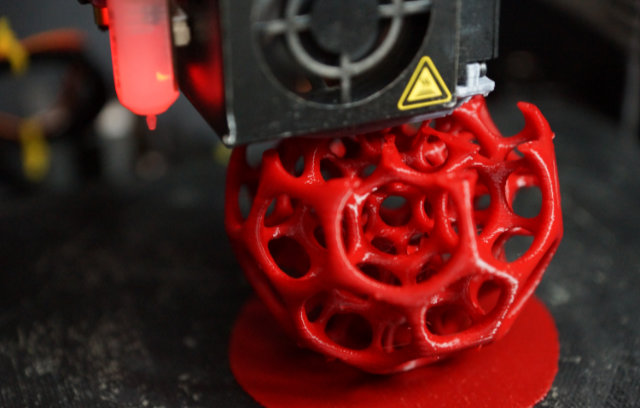
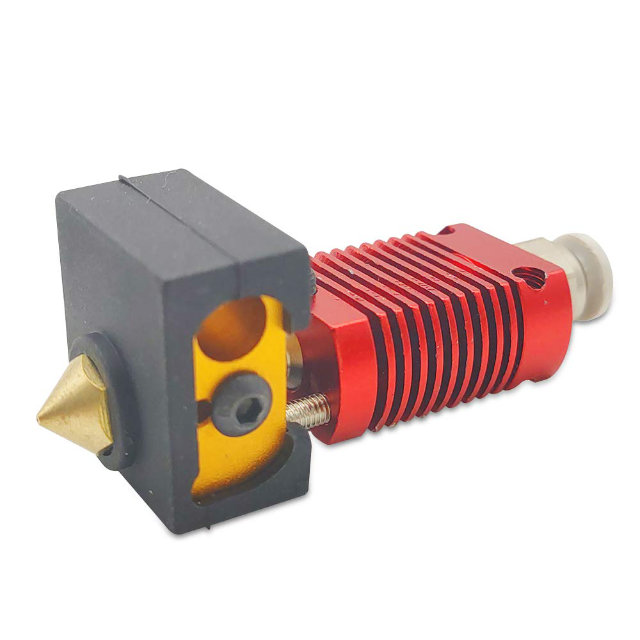
At the entry level, children will become familiar with a 3D printer. They will learn how the different components work together, while watching a print in progress. The instructor will then walk everyone through a sample project, while the children follow along:
• Create and modify a 3D design
• Slice a design, turning it into printable code
• Print the design
• Evaluate the print progress and final print
• Share lessons learned
• Repeat!
- Learn more
Just getting started in 3D printing? Maybe you already have some experience and you want to take your skills to the next level? Then this STEM program is for you! Here are some key take-aways for the week:
- What kinds of 3D printers are there?
- What kind of printer is best for me?
- How would I go about building a printer?
- How do I set up a printer?
- What about printer troubleshooting & maintenance?
- Do print beds differ and why does this matter?
- Form & function in engineering design
- Collaboration with team members and why it matters
- An introduction to CAD, using Onshape
- Using PRUSA to slice; essential things to know!


“Edge on Science takes science off the page and puts it into the hands of your child.”
– Rondalyn Whitney, mom
“Edge on Science has been a wonderful learning experience for my grandson. He has enjoyed every minute of it (rocketry & bridge building).”
– Carole Bradley, grandmother
“Edge on Science went above and beyond to make sure our spring break program was fun and interesting. Well prepared!”
– Bernadette Kegan, program director, Acton-Boxborough School District
Why choose EOS 3D Printing & Design?
It is fascinating and satisfying to watch something you have designed, be turned into an object you can hold. This is additive manufacturing, a key part of the Fourth Industrial Revolution. Your child will learn the process of designing, engineering, prototyping, making and evaluating. They will share their discoveries and lessons learned. Invest in their tomorrow! And that Corvette? Before it went into production, it was prototyped using 3D printing. In fact, their cars that raced at Daytona had 75 printed parts.
Register Now for 3D Modeling & Design!
